
Through urban wood recovery, building deconstruction, takeback programs, and design-for-disassembly principles, we keep high-quality wood materials in circulation and out of landfills for as long as possible.
Reclaimed Wood 
Reclaimed wood is one of the most developed examples of circular materials in the built environment. We view buildings slated for demolition or deconstruction as material banks ripe for utilization.
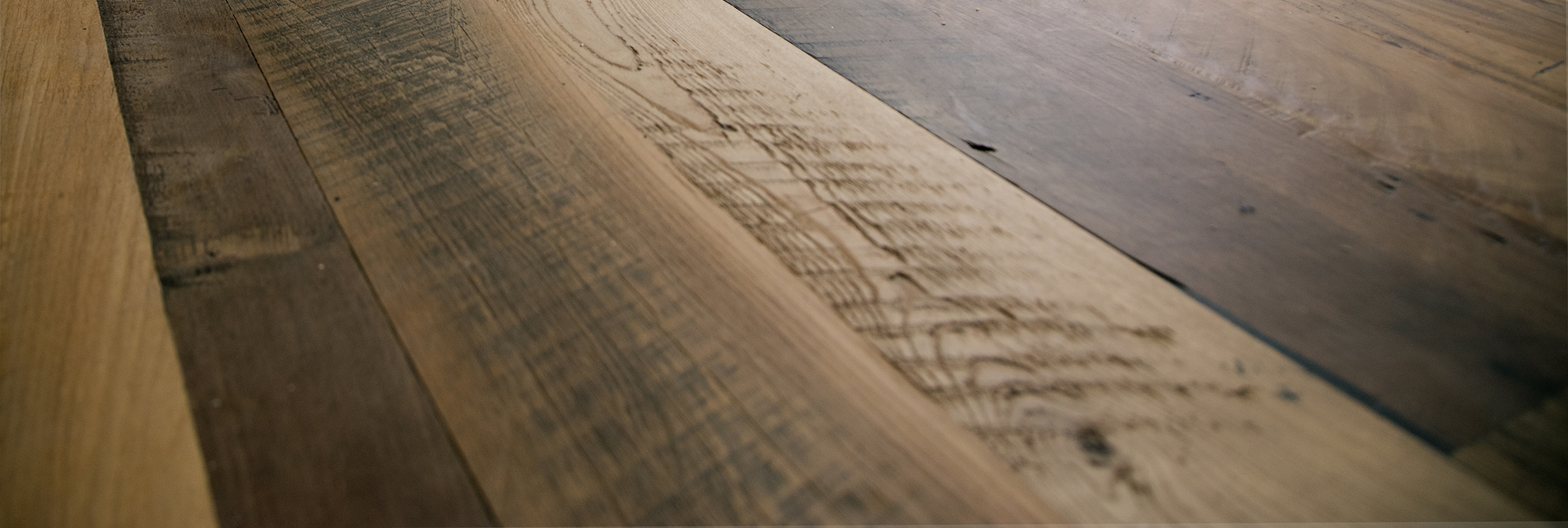
Our traditional reclaimed wood is sourced from a variety of building types, including Midwest barns, factories, residential homes, and other historic buildings. After processing and remanufacturing, these woods showcase agricultural and industrial history through character marks like original saw marks, mineral stains, and aged tannins. In addition to preserving this history, this keeps reclaimed wood out of the landfill and reduces pressure on virgin forest resources.
Urban Wood
Urban wood is a broad term for trees taken down for reasons other than their timber value. These removals typically result from disease, storm damage, hazard mitigation, or development. Each year in the U.S., 12.7 million metric tons of urban wood logs are chipped, burned, or sent to landfills. Much of this material could be processed into high-quality lumber. Salvaging urban wood reduces disposal costs for municipalities, diverts waste from landfills, and helps reduce pressure on commercial forests.
Since 2021, our Urban Wood Program has worked with municipalities across Wisconsin to salvage and process trees into usable lumber. To date, we’ve saved 912 tons of urban wood from the waste stream for reinstallation in the built environment — a carbon offset equal to burning 63,000 gallons of gasoline or driving 1.1 million miles.
 Designing for Future Reuse
Since our work is built on reclaiming materials from prior use, we are highly aware of our responsibility as a product manufacturer to ensure the reusability of our products. We advocate for and offer guidance on installation methods that allow easy removal and future reuse. By designing with the end of a product’s life in mind, we make it easier to donate, repurpose, or reinstall Urban Evolutions wood products—extending their useful life across multiple projects.
Multiple Lifecycles, Maximum Impact
Whether it's reclaimed, salvaged, or rehomed, our products are designed to stay in use longer, contributing to a more circular, resource-efficient economy in the built environment.
Have questions about sustainable wood sourcing for your project?
Contact our team to discuss reclaimed wood options, urban wood sourcing and how our circular material strategies keep wood in use and out of landfills.




.png?width=300&height=80&name=UE%20full%20logo%20white%20(1).png "UE full logo white (1)")