
For years, interiors leaned heavily toward minimalism—bright white walls, clean lines, and spaces stripped back to their essentials. Today, however, homeowners and designers are gravitating toward something more layered, tactile, and enduring.
As Vogue recently explored in “The Return of Wood-Paneled Walls—and Why They Feel Right Again” by Angela Tafoya, designers are increasingly reexamining wood not as a nostalgic finish, but as an architectural material capable of adding depth, warmth, and permanence to interiors.
Architectural Warmth & Material Depth
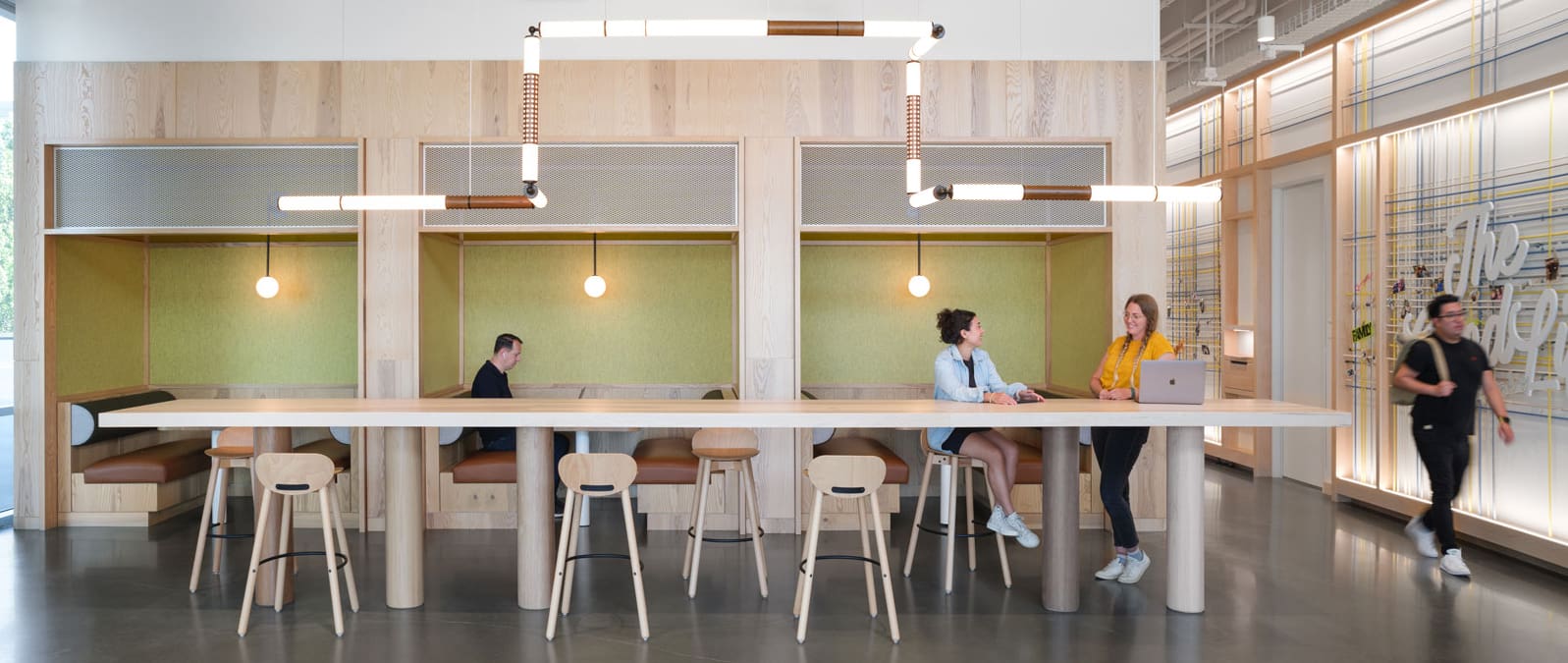
The resurgence of wood-paneled walls reflects a broader shift in interior design: a return to materials that feel authentic, architectural, and deeply connected to place. Rather than acting as decoration, wood introduces warmth, texture, shadow, and natural variation that give a room emotional depth.
This renewed appreciation for paneling is not about recreating the past. It’s about reinterpreting timeless materials through a more modern lens—cleaner profiles, honest textures, and finishes that allow the natural grain and character of the wood to remain visible and alive, Joseph Amann, Urban Evolutions
A Shift Toward Meaningful Materiality
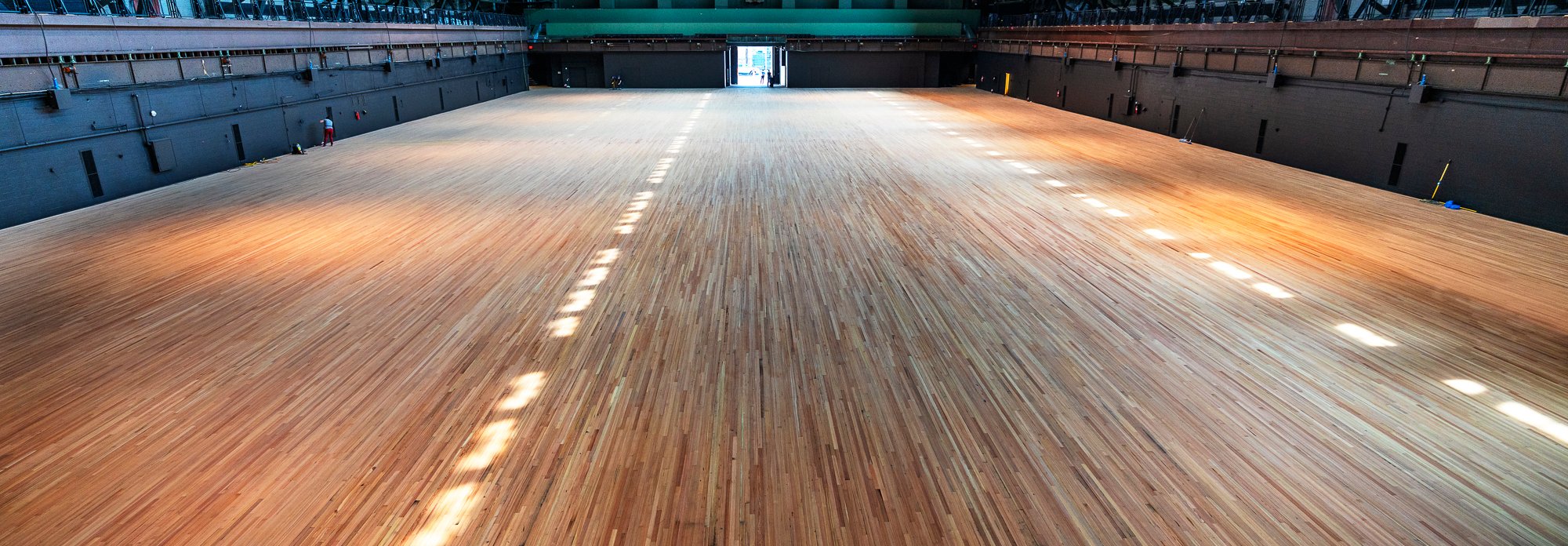
In an era shaped by fast-moving trends and disposable design, reclaimed and sustainably sourced wood offers something different: permanence, craftsmanship, and a sense of narrative that only real materials can provide.
At UE, this return to wood-centered interiors feels less like a trend and more like a continuation of a longer movement toward meaningful materiality. For nearly three decades, we’ve worked with reclaimed and responsibly sourced wood because of its ability to bring warmth, texture, and narrative into the built environment—long before character-rich interiors became part of the broader design conversation.
What Designers are Looking For
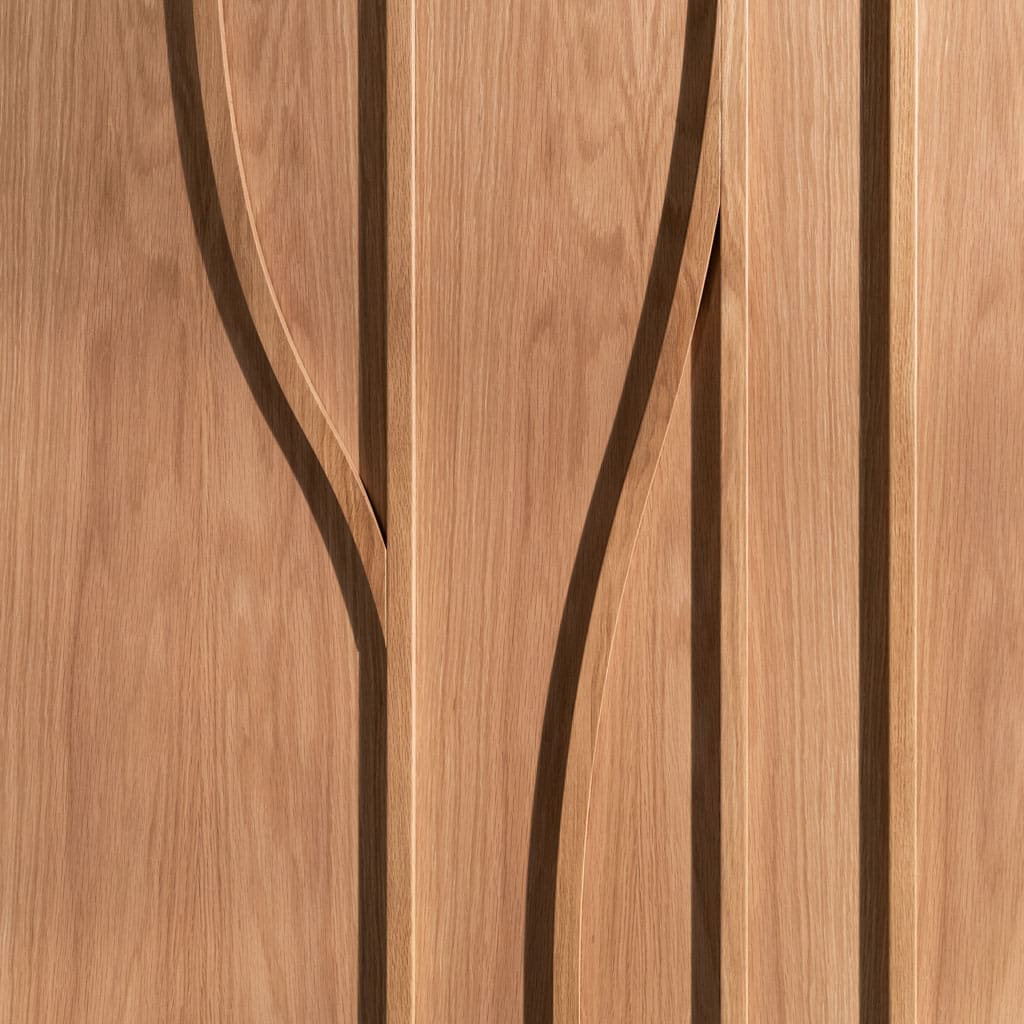
Today, we’re seeing designers reinterpret wood surfaces in more contemporary ways: refined dimensional profiles, quieter detailing, and applications that feel integrated into the architecture rather than simply decorative. It’s a direction that reflects something deeper than style—a renewed appreciation for materials that age beautifully and connect people more meaningfully to the spaces they inhabit.
Explore our collection of dimensional wall and ceiling panels.

Feature 1
Lorem ipsum dolor sit amet, consectetur adipiscing elit. Vestibulum ac luctus nisi, porta molestie nunc. Pellentesque posuere mollis est, nec fermentum mauris pellentesque eget. Nulla faucibus orci eget neque facilisis elementum
Feature 1
Lorem ipsum dolor sit amet, consectetur adipiscing elit. Vestibulum ac luctus nisi, porta molestie nunc. Pellentesque posuere mollis est, nec fermentum mauris pellentesque eget. Nulla faucibus orci eget neque facilisis elementum
Feature 1
Lorem ipsum dolor sit amet, consectetur adipiscing elit. Vestibulum ac luctus nisi, porta molestie nunc. Pellentesque posuere mollis est, nec fermentum mauris pellentesque eget. Nulla faucibus orci eget neque facilisis elementum
Add your extra content here...


.png?width=300&height=80&name=UE%20full%20logo%20white%20(1).png "UE full logo white (1)")